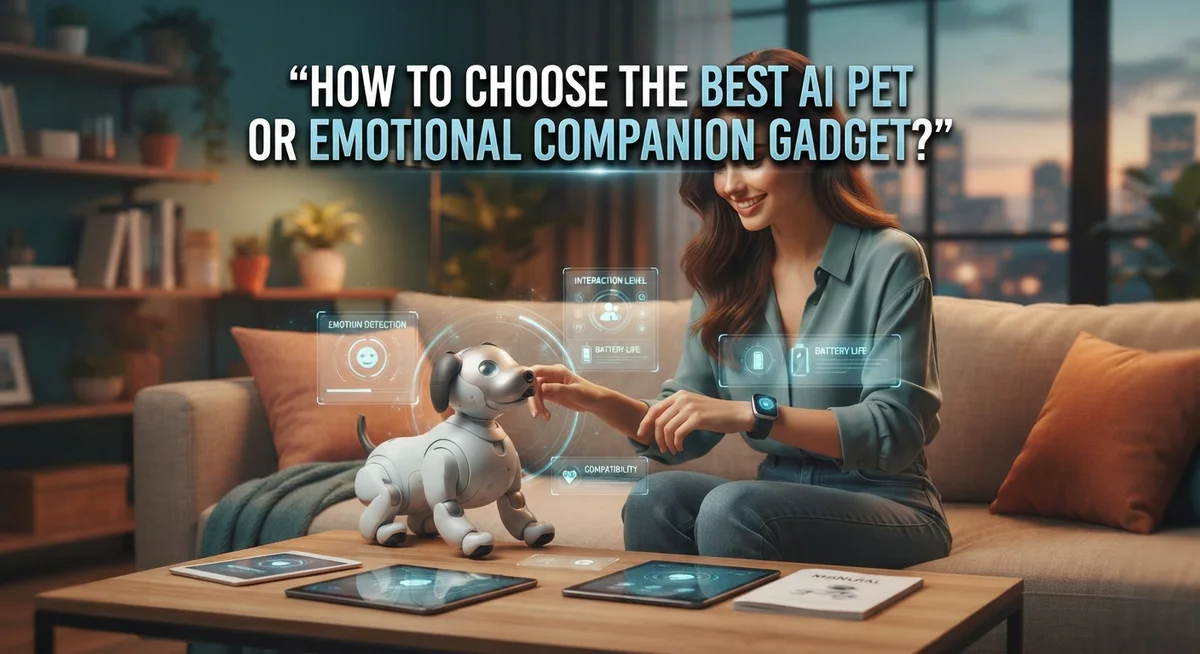
How to Choose the Best AI Pet or Emotional Companion Gadget?
Do you feel drawn to a cute robot pet on your desk? You are not alone. AI companions are popping up everywhere, from small desktop robots to furry robot dogs.
These gadgets promise comfort, company, and even stress relief. But here’s the truth: not all of them work the same way.
Some devices use real adaptive learning. Others rely on simple, static decision trees dressed up as “AI-powered” magic. Knowing the difference matters a lot.
This guide breaks down how to pick the right AI pet or emotional companion gadget for your life. We will look at what these devices actually do, not just what the marketing says.
You will learn how to match a gadget to your daily habits and emotional needs. We will also cover key features like touch response, memory retention, and anxiety support.
Plus, we will point out common mistakes buyers make, like chasing hype instead of real fit.
By the end, you will know exactly what questions to ask before choosing your own AI companion. Let’s get started.
In a Nutshell
Picking the right AI pet or emotional companion gadget does not need to feel overwhelming. Here is a quick summary to guide your choice.
-
Match the gadget to your lifestyle. A desktop robot suits quiet spaces, while a robot pet fits an active home.
-
Check real AI ability. Many “AI powered” devices use fixed decision trees, not true learning. Ask how the gadget actually responds to you.
-
Compare features side by side. Look at touch response, habit memory, and emotional expression before deciding.
-
Test stress and anxiety support. A good companion should respond calmly to outbursts and offer steady comfort.
-
Avoid hype driven choices. Popularity does not always mean the gadget fits your needs. Focus on your daily routine instead.
-
Ask the right questions first. Does it remember your habits? Does it help with stress? Does it feel natural to use?
This short checklist helps you filter through many options quickly. Keep these points in mind, and you will find a companion that truly fits your life, not just one that looks good in ads.
What Is an AI Pet or Emotional Companion Gadget?
An AI pet or emotional companion gadget is a device that uses artificial intelligence to provide emotional support and companionship. These gadgets come in different forms, from small desktop robots to robotic animals that look and act like real pets.
How they work is straightforward. The device responds to your touch, voice, and behavior patterns. It learns your habits over time and adapts its responses to match your emotional state. When you feel stressed, the gadget offers comfort through sounds, movements, or expressions designed to calm you down.
The key difference between AI companions lies in their intelligence level. Some devices use true adaptive learning, meaning they genuinely improve their responses as they get to know you better. Others rely on static decision trees, which are pre programmed responses that follow set rules. Marketing claims often blur this distinction, so you need to understand what “AI powered” actually means for each gadget.
These companions serve real purposes in daily life. They can reduce loneliness, ease anxiety, and provide consistent emotional support without judgment. They remember your preferences and adjust their behavior accordingly. Some even offer gentle reminders for daily tasks or habits.
What makes them different from regular toys is their interactive nature. A true emotional companion gadget engages with you in meaningful ways. It notices when you seem upset and responds appropriately. It celebrates your good moments with you.
The best AI pets combine realistic emotional expression with genuine learning capabilities. They should feel responsive to your needs, not robotic or repetitive. Understanding what an AI companion actually does helps you choose one that truly fits your emotional and lifestyle needs.
Types of AI Companion Devices: Desktop Robots, Robot Pets, and More
AI companion devices fall into several clear categories, each designed for different living situations and emotional needs.
Desktop robots sit on your desk or shelf and interact through screens and speakers. These devices typically offer voice conversation, mood responses, and simple animations. They work well if you spend time at a workspace or need a stationary companion. Desktop robots usually require power outlets and stable surfaces.
Robot pets mimic animal behavior and movement. They can walk, make sounds, and respond to touch. These devices suit people who want physical interaction without pet care responsibilities. Robot pets often have wheels or legs and move around your home. They provide a more dynamic experience than desktop options.
Handheld or portable companions fit in your pocket or bag. These smaller devices offer basic conversation and emotional support on the go. They work for people who travel frequently or want company throughout their day.
Advanced robot dogs represent the premium category. They combine realistic movements, advanced sensors, and complex AI responses. These devices feel more lifelike but require more space and maintenance.
Voice based companions work through your existing smart speakers. They provide emotional support through conversation alone, without physical form. This option costs less and needs no new hardware.
When choosing a type, consider your living space first. Small apartments suit desktop robots. Active homes work better with mobile robot pets. Your daily routine matters too. Busy professionals may prefer handheld options. Home based workers often enjoy desktop robots.
Think about interaction style. Do you want physical touch responses? Do you prefer conversation? Your answer narrows down which category fits best. Match the device type to how you actually live, not how you imagine using it.
How AI Companions Actually Work: True Intelligence vs. Decision Trees
AI companions use different types of technology under the hood. Understanding these differences helps you avoid buying something that looks smart but isn’t.
Most AI pets operate on decision trees. This means they follow if/then rules. If you touch the device, it responds with a preset action. If you say a specific word, it plays a recorded message. These systems work well for basic interactions, but they don’t truly learn from you.
Real adaptive AI works differently. It learns your patterns over time. It remembers what you like and adjusts responses based on your history. Genuine learning systems improve with use, while decision trees stay static.
Here’s the catch: marketing often blurs these lines. A device labeled “AI powered” might just use fancy decision trees. True intelligence requires the system to process new information and change behavior accordingly.
Most emotional companion gadgets mix both approaches. They use decision trees for core functions but add limited learning for habit memory. This combination keeps costs reasonable while adding some personalization.
The practical difference matters for stress relief. A true learning system notices when you’re upset and remembers what calmed you last time. A decision tree system responds the same way every time, which some people find comforting and others find repetitive.
When evaluating any companion gadget, ask yourself: Does this device remember me specifically, or does it treat everyone the same? Does it change responses based on my behavior, or follow the same script? These questions reveal whether you’re getting actual intelligence or clever programming.
Understanding this distinction prevents disappointment and helps you choose a companion that truly fits your emotional support needs.
Key Features That Define a Quality Emotional Companion
Quality emotional companions share specific features that determine how well they support your mental health and daily routine. Understanding these traits helps you separate genuine support tools from novelty gadgets.
Touch responsiveness matters more than you might think. When you interact with a companion through petting, tapping, or holding, the device should react immediately and appropriately. Delayed responses break the emotional connection and reduce stress relief benefits. Test this feature before committing to any device.
Habit memory retention is what separates static toys from real companions. A quality device remembers your preferences, mood patterns, and interaction history. It learns that you prefer calm responses on stressful days or playful engagement when you’re energetic. This personalization creates genuine emotional support rather than generic reactions.
Emotional expression capability determines how well the device communicates back to you. Look for devices that show feelings through facial expressions, body language, or voice tone. Authentic emotional feedback helps you feel understood and less alone.
Stress and anxiety management functions should feel natural, not clinical. The best companions recognize when you need calming activities versus distraction. Some offer breathing exercises, gentle sounds, or soothing movements. Others provide encouraging words or gentle humor. The right approach depends on what actually helps you.
Daily life assistance adds practical value beyond emotional support. Some companions set reminders, provide weather updates, or help organize your schedule. This integration into your routine makes the device feel like a true helper rather than just entertainment.
Pay attention to how these features work together. A device with excellent touch response but no memory feels hollow. One with great memory but poor emotional expression leaves you disconnected. The best companions balance all these elements into a cohesive support system.
Step-by-Step: Matching a Gadget to Your Lifestyle and Emotional Needs
Start by listing what your daily life actually looks like. Do you work from home? Travel frequently? Live in a small apartment? Your lifestyle shapes which companion works best for you.
Match the gadget type to your space and schedule. Desktop robots work well if you have a dedicated desk area and spend hours there. Robot pets suit people who want physical interaction and movement. Handheld companions fit busy lives where you’re constantly on the go. Voice based options work if you already use smart speakers throughout your home.
Next, think about your emotional needs honestly. Are you seeking stress relief during work? Do you need a companion for anxiety management? Want help with loneliness? Different gadgets excel at different emotional support functions.
Evaluate what “emotional response” actually means for each device. Some companions use simple decision trees that repeat the same responses. Others adapt slightly based on your interaction patterns. Ask yourself: Does this device remember that I’m stressed about presentations, or does it give generic comfort responses to everyone?
Consider your interaction preferences too. Do you prefer touch based feedback? Voice conversations? Visual expressions on a screen? Some people feel more connected through physical petting motions. Others prefer talking to their companion.
Be realistic about what the gadget can deliver. Marketing claims often overstate AI capabilities. A device marketed as “intelligent” might just follow predictable response patterns. Read actual user experiences to see if the emotional support feels genuine or scripted.
Finally, think about long term use. Will you still want this companion in six months? Does it offer enough variety to stay engaging? Your lifestyle and emotional needs may shift, so choose something flexible enough to grow with you.
Evaluating Stress and Anxiety Response Quality
When you’re looking at how an AI companion handles stress and anxiety, focus on what actually happens during difficult moments. Real stress relief comes from appropriate responses, not just cute reactions.
Start by testing how the device responds when you’re upset. Does it recognize emotional cues through your voice tone or touch patterns? Some companions offer calming sounds or gentle vibrations. Others provide grounding exercises or breathing prompts. The best fit depends on what actually helps you calm down.
Look for devices that remember your specific anxiety triggers over time. Habit memory means the companion learns what situations stress you most. It can then offer targeted support when those situations arise. Static devices treat every interaction the same way, which feels less personal and less helpful.
Check if the companion’s responses feel natural to you. Some people find energetic reactions soothing. Others prefer quiet, gentle companionship. Neither is wrong. The key is matching the device’s personality to what genuinely calms your nervous system.
Pay attention to response timing too. Quick, immediate reactions feel more supportive than delayed responses. A device that takes seconds to respond won’t help when you need instant comfort.
Read reviews from people with similar anxiety patterns to yours. Someone’s experience with panic attacks might differ from someone managing social anxiety. Real user feedback shows whether the device actually delivers stress relief or just looks impressive.
Test the device yourself if possible before committing. Many retailers offer trial periods. Spend time with it during normal moments and stressful moments. Notice whether you feel genuinely calmer or if the novelty wears off quickly. Your gut feeling matters more than specifications.
Common Mistakes When Assessing AI Companion Capabilities
People make several predictable mistakes when checking what an AI companion can actually do. Understanding these errors helps you avoid wasting money on a device that won’t meet your needs.
The biggest mistake is believing marketing language without questioning it. Companies use terms like “intelligent,” “adaptive,” and “learns your personality” freely. Many devices actually run on static decision trees, not true learning systems. A static decision tree means the companion follows pre-programmed rules. It cannot genuinely adapt to your unique patterns over time.
Another common error is assuming higher price equals better emotional support. Expensive doesn’t always mean the device responds better to your stress or anxiety. Some cheaper options actually perform better for specific emotional needs than pricier alternatives.
People often buy based on category excitement rather than personal lifestyle fit. You see a cute robot dog and want it immediately. But if you travel constantly or live in a small space, that particular type won’t serve you well. Match the device to how you actually live, not to what looks impressive.
Overlooking the difference between “responding” and “understanding” trips up many buyers too. A companion might say calming words when you sound upset. That’s a response. But does it remember what triggered your anxiety yesterday? Can it adjust its approach based on what worked before? That’s understanding.
Finally, people skip testing before purchase. If possible, try the device yourself or watch detailed videos showing real interactions. Read reviews from people with similar anxiety patterns. Don’t rely only on promotional demonstrations. Real world performance often differs from what manufacturers show.
Troubleshooting Mismatched Expectations and Device Limitations
When you get an AI companion home, reality often differs from what marketing promises. Understanding common gaps between expectations and actual device performance helps you stay satisfied long term.
Static decision trees create the first major mismatch. Many devices marketed as “intelligent” actually use pre programmed response patterns rather than true learning. Your companion might give the same comfort response every time you’re upset, even after months together. This limitation doesn’t mean the device fails you. It just means you need realistic expectations about what “AI” actually delivers in this category.
Performance drops in unpredictable situations. Your AI companion excels when emotions follow expected patterns. But real life throws curveballs. Extreme stress, complex emotional situations, or unusual requests often confuse these devices. They may freeze, repeat responses, or offer irrelevant suggestions. Knowing this beforehand prevents frustration.
Memory limitations disappoint users frequently. Some devices claim habit retention but forget your preferences after software updates or battery resets. Others remember basic patterns but miss nuance. You might need to re teach the device information you already shared weeks ago.
Interaction style mismatches cause abandonment. You might expect conversational depth but receive simple voice commands. Or you want quiet presence but get constant notifications. These preference gaps don’t reflect device quality. They reflect poor alignment between your interaction style and the device’s actual design.
Processing speed varies dramatically. Budget models respond slowly to questions or emotions. Premium versions react faster but still lag behind human conversation. This delay can feel awkward during moments when you need immediate support.
Test devices thoroughly before purchase. Ask detailed questions about actual capabilities. Read honest user reviews describing real world performance, not just positive marketing claims.
Final Thoughts
Choosing an AI pet or emotional companion gadget comes down to knowing yourself first. Your daily routine, stress patterns, and comfort with technology matter more than any spec sheet.
Remember that most devices use programmed responses, not real understanding. This isn’t a bad thing. It just means you should set realistic expectations from day one.
Test before you commit whenever possible. A quick demo tells you more than pages of marketing copy. Notice how the gadget reacts when you’re upset or stressed.
Think about what you actually need daily. Someone wanting quiet desk companionship differs from someone needing constant interaction. Match the gadget to your lifestyle, not the other way around.
Avoid chasing the most advanced sounding option. Higher price or fancier claims don’t guarantee better emotional support. Sometimes simpler devices work better for your specific needs.
Pay close attention to memory and habit retention features. A companion that forgets your preferences daily can feel frustrating. Check reviews from people with similar routines to yours.
Stress response quality deserves careful thought too. Does the device calm you down or feel disconnected during tough moments? This single factor can make or break your experience.
Give yourself permission to return a device that doesn’t fit. Not every popular option works for every person. Your comfort and peace of mind come first.
Ultimately, the best AI companion fits your life quietly and consistently. It should ease stress without adding new frustrations. Take your time, ask questions, and choose based on real fit rather than hype.
Frequently Asked Questions
What’s the difference between a “smart” AI pet and a regular robot toy?
A true AI companion learns your habits and adjusts responses over time. Regular robot toys follow fixed programs. Smart AI pets use decision trees to recognize patterns in your behavior and mood. They remember preferences you mention and reference them later. Regular toys repeat the same actions regardless of context. The key difference is adaptability. Smart models track what calms you down. Regular toys don’t.
Can an AI companion actually understand my emotions or just respond to them?
Most current AI pets respond to emotions using preset patterns. They detect your voice tone or touch intensity, then select appropriate reactions. They don’t truly understand what you feel. Think of it like a very sophisticated if-then system. If you sound sad, the device plays calming sounds. If you touch it gently, it purrs or chirps. Understanding requires genuine learning. Most devices today use programmed responses instead. This doesn’t make them useless for emotional support, but it’s important to know the limit.
How do I know if an AI companion will actually help my stress and anxiety?
Test one before buying if possible. Spend 10 to 15 minutes interacting with it. Notice if the responses feel helpful or repetitive. Pay attention to stress relief features specifically. Does it offer calming sounds? Can it remind you to breathe? Does it respond appropriately when you’re upset, or does it feel dismissive? Your gut reaction matters most. If the interaction feels forced or annoying during a demo, it won’t improve at home.
Should I choose a desktop robot, a pet robot, or a handheld device?
Your lifestyle determines the best fit. Desktop robots work well if you have a dedicated workspace. Pet robots suit homes with space and people who enjoy physical interaction. Handheld devices travel with you easily. Match the form to your daily routine. Someone who works at a desk benefits from a stationary companion. Someone on the move needs portability. Someone seeking physical comfort prefers a pet-shaped device.

DK is the founder and editor of NeuralTechFinds, a tech enthusiast with a deep passion for AI-powered gadgets, smart devices, and everything that makes everyday life more connected and efficient. When not testing the latest tech products, DK is busy researching emerging trends to help readers make smarter, well-informed buying decisions.